






































































































































































10 Plant Foods That Support Immune Health: Benefits, Evidence, and Safety
Author: RVLNSV PRASAD
Updated On: October 2026
About Us
Author Bio
Editorial Policy
Contact Us
Introduction
Plant foods that support immune health can help you meet your daily nutritional needs without relying on expensive supplements, complicated diets, or unproven herbal remedies. Fruits, vegetables, legumes, whole grains, nuts, seeds, herbs, and spices provide nutrients and plant compounds that help your body maintain its normal functions.
Your immune system works around the clock. It identifies harmful microbes, coordinates protective responses, and helps your body recover from infections. This complex process depends on many factors, including nutrition, sleep, physical activity, age, underlying health conditions, and exposure to infectious organisms.
That is why no single fruit, spice, or herbal drink can guarantee protection against illness.
Research from the Harvard T.H. Chan School of Public Health explains that immune function depends on a range of nutrients and lifestyle factors, rather than one special food. A varied diet can provide vitamin C, vitamin A, zinc, selenium, and other nutrients that support normal immune activity.
You do not need to purchase unfamiliar ingredients to follow this approach. Everyday Indian foods such as amla, guava, spinach, lentils, chickpeas, garlic, ginger, turmeric, and seasonal vegetables can contribute to a balanced eating pattern.
This guide explains which plant foods are worth including, what the scientific evidence actually supports, how to combine them into affordable meals, and which popular immunity claims deserve caution.
Quick Answer: Which Plant Foods Support Immune Health?
A varied diet containing citrus fruits, guava, amla, leafy greens, legumes, garlic, ginger, turmeric, mushrooms, nuts, seeds, and whole grains can help supply nutrients needed for normal immune function.
The most useful strategy is to eat different plant foods regularly rather than relying on one ingredient. Adequate nutrition can help prevent nutrient deficiencies, but it does not guarantee that you will avoid colds, flu, or other infections.
The World Health Organization’s healthy-diet guidance recommends a varied diet that includes fruits, vegetables, pulses, whole grains, and nuts.
Key Takeaways
-
Your immune system requires many nutrients, not one special food or herbal remedy.
-
Whole fruits and vegetables provide vitamins, minerals, fiber, and other beneficial compounds.
-
Legumes, whole grains, nuts, and seeds add nutritional variety and help support a fiber-rich eating pattern.
-
Turmeric, ginger, and garlic are useful culinary ingredients, but they should not be described as proven treatments for infections.
-
Fiber-rich foods support gut microbes involved in normal immune function.
-
Supplements are not automatically necessary when your diet already meets your nutritional needs.
-
Herbal products can cause side effects and interact with medicines.
-
Vaccination, appropriate medical care, sufficient sleep, and regular physical activity remain important parts of protecting your health.
How Does Nutrition Support Your Immune System?
Your immune system consists of cells, tissues, organs, and chemical signals that work together to protect your body. These include barriers such as the skin, immune cells that recognize threats, and responses that help control infections.
Nutrition supports these processes in several ways.
Vitamins and minerals help immune cells function.
Vitamin C contributes to the normal functioning of immune cells and helps protect cells from oxidative damage. Vitamin A supports normal immune function and the integrity of skin and other protective tissues. Zinc is also important for immune-cell development and activity.
The NIH Office of Dietary Supplements’ professional fact sheet on dietary supplements and immune function explains that deficiencies in essential vitamins and minerals can impair immune responses. It also notes that taking extra nutrients does not necessarily prevent infections when a person is already getting enough.
Fiber supports the gut microbiome
Your digestive tract contains a large community of microorganisms known as the gut microbiome. Some of these microbes break down dietary fibers and produce short-chain fatty acids, which are involved in gut health and other biological processes.
The Harvard Nutrition Source guide to the microbiome explains how diet influences gut microbes and how fiber-rich foods can support their activity.
Beans, lentils, oats, vegetables, fruit, nuts, and seeds are practical ways to increase fiber intake. If you currently eat very little fiber, increase it gradually to reduce bloating and discomfort.
A balanced diet is more useful than a single superfood.
There is no need to chase every new immunity trend. A diet that regularly includes different plant foods is a more practical foundation than depending on one expensive ingredient.
The WHO healthy-diet recommendations emphasize dietary diversity and adequate nutrition. The specific foods you choose can reflect your budget, culture, availability, and personal needs.
10 Plant Foods That Support Immune Health
1. Amla: A Vitamin C-Rich Indian Fruit
Amla, also called Indian gooseberry, is a traditional Indian fruit known for its tart taste. It contains vitamin C and other plant compounds, making it a useful option for a varied diet.
Vitamin C supports normal immune function and helps the body produce collagen, which contributes to the structure of skin and other tissues. It also acts as an antioxidant.
The NIH vitamin C fact sheet explains the roles of vitamin C and provides information about dietary sources and supplementation.
Easy ways to eat amla
-
Eat a small serving of fresh amla when available.
-
Add grated amla to a chutney.
-
Mix small amounts into a vegetable dish.
-
Use it in homemade preparations without excessive added sugar or salt.
Fresh, cooked, dried, and preserved products may have different nutrient contents. Do not assume that every amla powder, juice, or supplement delivers the same amount of vitamin C.
Amla can be a nutritious addition to meals, but there is insufficient evidence to claim that eating it prevents infections.
2. Guava: An Affordable Source of Vitamin C
Guava is a practical fruit choice in India. It provides vitamin C, fiber, and other nutrients, while whole fruit also supplies water and helps add variety to your daily diet.
Vitamin C supports several functions involved in normal immune responses. However, eating extra vitamin C does not guarantee that you will avoid a respiratory infection.
According to the NIH Office of Dietary Supplements, vitamin C deficiency can impair immune function, while research on supplementation shows that benefits vary by outcome and population.
Easy remedy: Wash a guava and eat it whole as a snack. Pair it with a meal containing protein and other vegetables when convenient.
Whole fruit is generally preferable to relying on sweetened fruit drinks because it retains its fiber and requires less processing.
3. Citrus Fruits: Oranges, Sweet Lemons, and Limes
Citrus fruits provide vitamin C and contribute to a varied diet. Oranges and sweet lime can be eaten as whole fruit, while lemon juice can add flavor to dal, vegetables, and salads.
A squeeze of lemon may make a meal more enjoyable, but it does not disinfect the body or destroy viruses inside you.
Try this simple habit: Keep seasonal citrus fruit available and use it as one of your regular fruit choices.
If you have frequent acid reflux or find citrus uncomfortable, choose other vitamin C-rich foods that suit you.
4. Spinach and Other Leafy Greens
Spinach, amaranth leaves, fenugreek leaves, and other leafy vegetables provide different combinations of folate, carotenoids, vitamin K, and minerals. Their nutritional value depends on the specific plant and how it is prepared.
These foods help make meals more varied and nutrient-dense. They should not be treated as medicines that directly strengthen immunity overnight.
Easy ways to include leafy greens
-
Add spinach to dal or vegetable curry.
-
Prepare a leafy-green stir-fry.
-
Add cooked greens to a lentil-based meal.
-
Rotate spinach with amaranth, fenugreek, and other seasonal greens.
Cooking can improve the availability of some nutrients while reducing others, so a mixture of preparation methods is reasonable.
People taking warfarin should keep their vitamin K intake reasonably consistent and discuss major dietary changes with their healthcare professional.
5. Garlic: A Flavorful Source of Plant Compounds
Garlic contains sulfur-containing compounds that have been studied for their biological effects. It also adds flavor to everyday meals, potentially making nutritious dishes more enjoyable.
However, calling garlic a natural antibiotic is misleading. Eating garlic is not a substitute for prescribed antibiotics, antiviral treatment, or medical assessment when an infection requires care.
Evidence about garlic supplements and infection prevention is limited. You can read more in the National Center for Complementary and Integrative Health’s overview of garlic.
Easy way to use garlic: Add it to cooked vegetables, soups, dal, and bean dishes according to your taste.
Concentrated garlic supplements may cause digestive symptoms and can increase bleeding risk, particularly in people taking certain medicines. Ask a healthcare professional before using them if you take blood-thinning medication or are preparing for surgery.
6. Ginger: A Useful Ingredient for Everyday Meals
Ginger contains compounds such as gingerols and is widely used in cooking and traditional preparations. It can add flavor to vegetable dishes, soups, and drinks.
Some ginger research concerns digestive symptoms, nausea, or inflammation-related outcomes. Those findings should not automatically be interpreted as proof that ginger prevents infections or boosts immune protection.
Try a simple ginger drink.
-
Wash and thinly slice a small piece of fresh ginger.
-
Add it to hot water.
-
Allow it to steep for several minutes.
-
Strain if desired and drink when comfortably warm.
You may add lemon for flavor, but neither ingredient makes the drink a proven infection treatment. Keep added sugar optional.
People who experience heartburn may find ginger uncomfortable. Concentrated supplements can also interact with medicines, so discuss regular high-dose use with a clinician or pharmacist.
7. Turmeric: A Familiar Spice With Research Limitations
Turmeric contains curcumin and related compounds that have been studied for antioxidant and inflammatory processes. It is commonly used in Indian cooking and can contribute to a varied, flavorful diet.
The important distinction is between using turmeric as a spice and taking concentrated curcumin supplements. Evidence from laboratory studies does not establish that turmeric prevents infections in humans.
The National Center for Complementary and Integrative Health’s turmeric and curcumin information discusses the limitations of the evidence and potential safety concerns.
Practical use: Add turmeric to dal, vegetable curries, soups, or other dishes you already enjoy. There is no need to take large spoonfuls or prepare an unusually concentrated drink.
Some enhanced-bioavailability curcumin products have been associated with liver injury. People with liver problems, gallbladder conditions, or medicines that may interact with supplements should seek professional advice before using concentrated products.
8. Lentils, Chickpeas, and Other Legumes
Legumes are among the most useful foods for building a balanced, affordable diet. Lentils, chickpeas, kidney beans, black-eyed peas, and other pulses provide protein, fiber, and varying amounts of iron, folate, zinc, and other nutrients.
Protein is needed to build and repair tissues, including components involved in immune function. Legumes can help meet protein needs, especially when eaten regularly as part of a varied diet.
Simple Indian meal ideas
-
Dal with vegetables and whole-grain roti.
-
Chickpea curry with brown rice or another whole grain.
-
Sprouted mung beans prepared hygienically.
-
Lentil soup with leafy greens.
-
A bean and vegetable salad.
Legumes also provide fermentable fibers that can be used by gut microorganisms. The Harvard Nutrition Source microbiome guide explains the relationship between dietary fiber, microbial activity, and gut health.
If beans cause gas, begin with smaller servings and increase gradually. Soaking and thoroughly cooking dried legumes can improve their texture and digestibility.
9. Mushrooms: A Useful Addition to a Varied Diet
Mushrooms provide different nutrients depending on the species and growing conditions. Some varieties contain beta-glucans and other compounds that are being studied for possible effects on immune-related pathways.
That does not mean all mushrooms have the same effects or that mushroom supplements can prevent illness.
Easy use: Add thoroughly cooked mushrooms to vegetable curry, soups, stir-fries, or whole-grain dishes.
Vitamin D content varies considerably between mushroom products, and exposure to ultraviolet light can affect it. Do not assume that every mushroom serving provides enough vitamin D to meet your needs.
Avoid unidentified wild mushrooms. Some species are poisonous, and cooking does not make every poisonous mushroom safe.
10. Nuts and Seeds: Small Foods With Useful Nutrients
Nuts and seeds can add healthy unsaturated fats, fiber, protein, and minerals to a balanced diet. Depending on the type, they can provide vitamin E, zinc, magnesium, selenium, and other nutrients.
These nutrients contribute to normal body functions, including processes involved in immune health. The benefit comes from overall dietary adequacy, not from eating a large amount of one seed.
Affordable options include:
-
Peanuts and almonds.
-
Pumpkin and sesame seeds.
-
Sunflower seeds.
-
Walnuts and flaxseeds.
-
Chia seeds, where affordable and available.
Add a modest portion to breakfast, curd, porridge, or a vegetable meal. Unsalted options can help limit excess sodium.
Brazil nuts are exceptionally rich in selenium, and their selenium content can vary considerably. Avoid eating large quantities in an attempt to boost immunity because excessive selenium can be harmful.
Comparison Table: Which Foods Provide Which Nutrients?
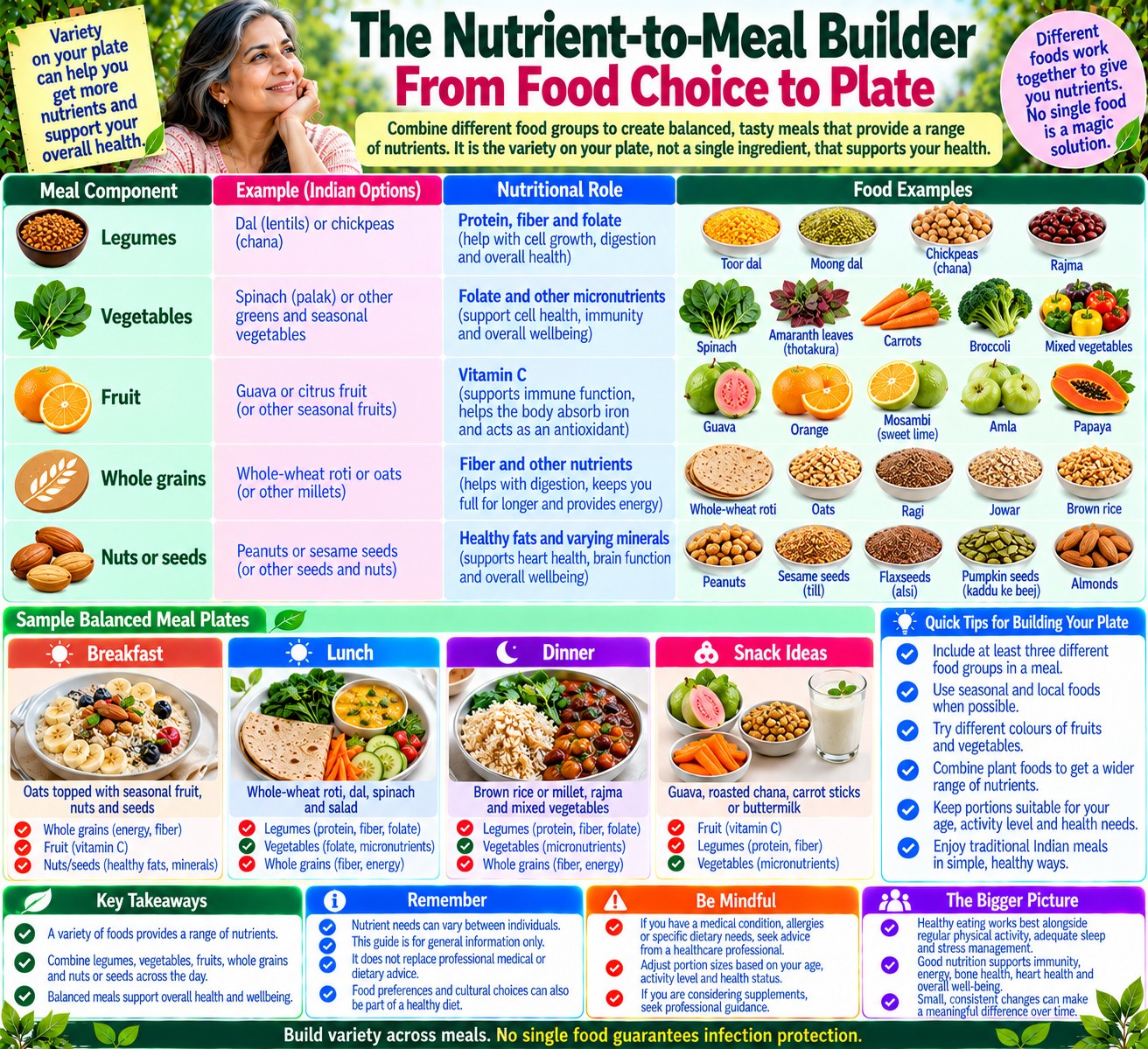
| Plant food | Notable nutrients or compounds | Practical use |
|---|---|---|
| Amla | Vitamin C and other plant compounds | Chutney or fresh fruit |
| Guava | Vitamin C and fiber | Whole-fruit snack |
| Oranges and sweet lime | Vitamin C and other nutrients | Eat whole. |
| Leafy greens | Folate, carotenoids, and other nutrients | Dal, curry, or stir-fry |
| Garlic | Sulfur-containing compounds | Cooked meals |
| Ginger | Gingerols and related compounds | Food or a mild infusion |
| Turmeric | Curcumin and related compounds | Curries and dal |
| Lentils and chickpeas | Protein, fiber, folate, and minerals | Main meals |
| Mushrooms | Varies by species; some provide vitamin D. | Cooked dishes |
| Nuts and seeds | Healthy fats, fiber, and varying minerals | Small additions to meals |
This table is a practical food guide, not a ranking of immune-boosting power. Nutrient amounts depend on variety, portion size, preparation, and product quality.
Latest Research Developments: What Scientists Are Learning
Immune nutrition research is expanding beyond the idea that one vitamin or herb can solve every problem. Three areas are especially relevant to everyday eating.
1. The gut microbiome is an active area of research
Scientists are studying how gut microorganisms interact with dietary fiber, the intestinal barrier, inflammation, and immune responses. Certain gut microbes ferment fiber into short-chain fatty acids, which have roles in normal gut biology.
The Harvard Nutrition Source microbiome overview summarizes these relationships and explains why dietary patterns matter.
However, the microbiome is complex and differs from person to person. It is too early to claim that eating a particular food will reliably change an individual’s microbiome in a way that prevents a specific infection.
A sensible approach is to include different fiber sources over time: beans, vegetables, fruit, oats, whole grains, nuts, and seeds.
2. Researchers are studying dietary patterns, not just individual nutrients.
A growing body of nutrition research considers the combined effects of food patterns, including their fiber, micronutrients, unsaturated fats, and plant compounds.
The Harvard Nutrition Source review of anti-inflammatory diets describes how plant-rich dietary patterns may influence inflammation and gut microbial activity. These are active research areas, and findings about inflammation markers should not be interpreted as proof that a diet prevents every infection or chronic disease.
For everyday life, the practical lesson is straightforward: build meals around a range of vegetables, fruits, legumes, and whole grains instead of relying on a single so-called superfood.
3. Correcting deficiencies matters more than taking unnecessary supplements.
Adequate amounts of vitamin C, vitamin D, zinc, and other essential nutrients are necessary for normal immune function. A deficiency can impair the body’s response to infection.
But extra supplementation is not automatically beneficial when nutrient intake is already sufficient. The NIH Office of Dietary Supplements’ professional review explains this distinction and summarizes evidence on commonly promoted supplements.
If you have a restricted diet, a diagnosed deficiency, an absorption disorder, or another relevant health condition, your individual needs may differ. A healthcare professional can help decide whether testing or supplementation is appropriate.
Research takeaway: Plant-rich eating patterns are a sound nutritional foundation, but claims that a particular plant dramatically increases immunity need direct evidence from well-designed human studies.
A Simple One-Day Plant-Rich Eating Plan
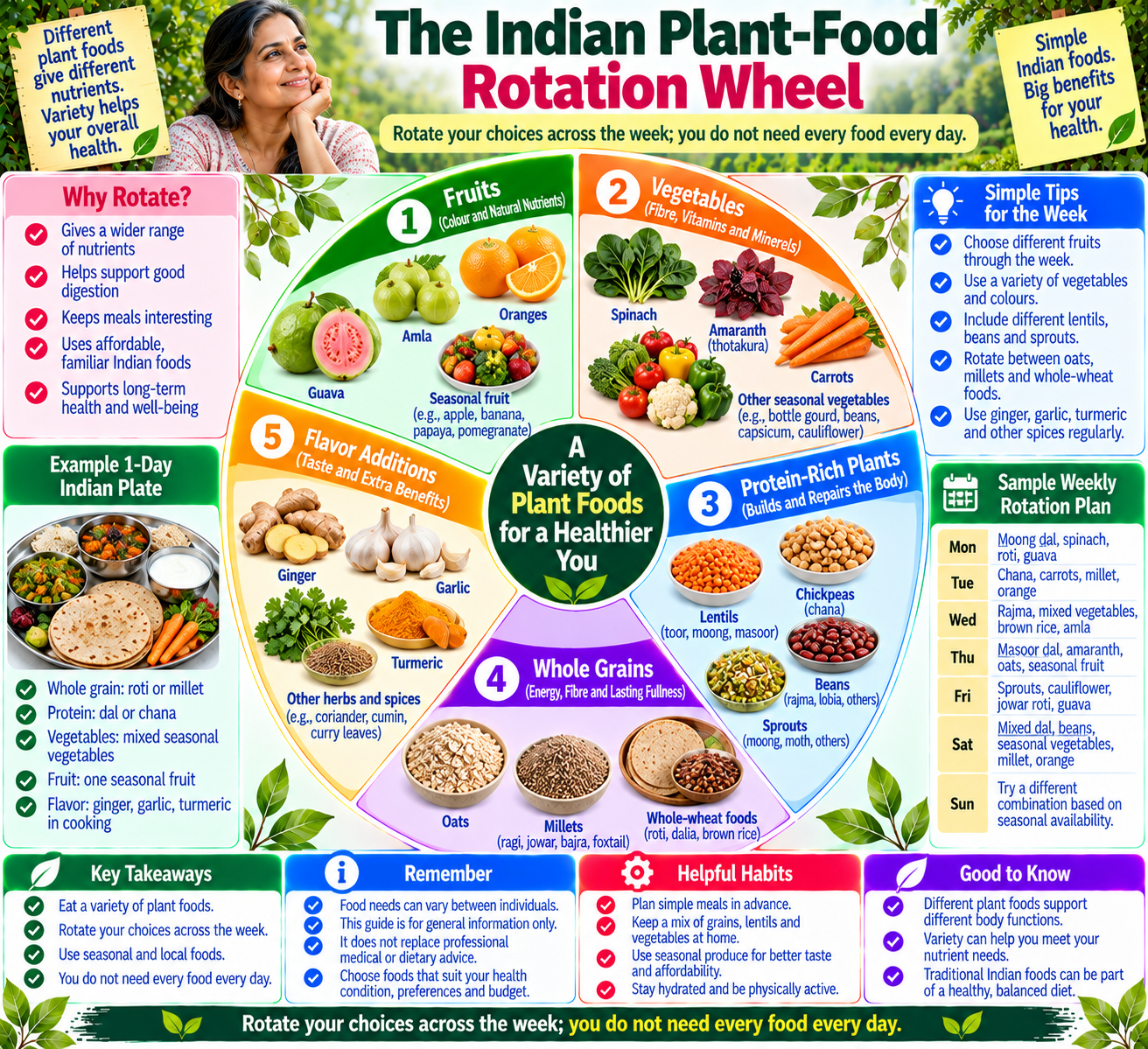
You do not need a complicated detox or herbal schedule. Start with familiar foods and build variety into meals.
| Meal | Example | Nutritional contribution |
|---|---|---|
| Breakfast | Oats or whole-grain upma with vegetables and a guava | Fiber and varied nutrients |
| Mid-morning | Orange or another seasonal fruit | Vitamin C and dietary variety |
| Lunch | Dal, whole-grain roti or rice, leafy greens, and vegetables | Protein, fiber, and micronutrients |
| Evening | A small portion of peanuts or mixed seeds | Healthy fats, protein, and minerals |
| Dinner | Chickpea or bean curry with vegetables and whole grains | Protein, fiber, and plant variety |
| Optional drink | Plain water or unsweetened ginger tea | Hydration and enjoyment |
Adjust portions to your energy needs, preferences, budget, and medical requirements. This is an example, not a prescribed diet or a guarantee of stronger immunity.
Three Practical Habits Beyond the Food List
1. Use a plant-variety checklist.
Rather than counting every nutrient, check whether your meals include several different food groups across the week.
Try to rotate leafy greens, orange or red vegetables, seasonal fruit, pulses, whole grains, and nuts or seeds. This approach is flexible and often easier to maintain than purchasing special powders.
2. Make healthy food convenient.
Wash and store suitable vegetables, keep cooked beans or lentils ready when safe refrigeration is available, and buy seasonal fruit when it is affordable.
Frozen vegetables can also be useful. The WHO healthy-diet guidance notes that frozen and canned produce can contribute to a healthy diet when prepared without excessive added sugar or sodium.
3. Pair nutrition with sleep and movement.
Nutrition is only one part of immune health. Regular physical activity, adequate sleep, not smoking, and appropriate vaccination also matter.
Adults generally benefit from a consistent sleep routine. The CDC’s sleep guidance explains the importance of adequate sleep for health. The WHO physical activity guidelines provide recommendations for regular activity across adulthood.
You do not need an intense workout to start. Walking, cycling, gardening, or another activity suited to your abilities can help you build a sustainable routine.
Common Mistakes to Avoid
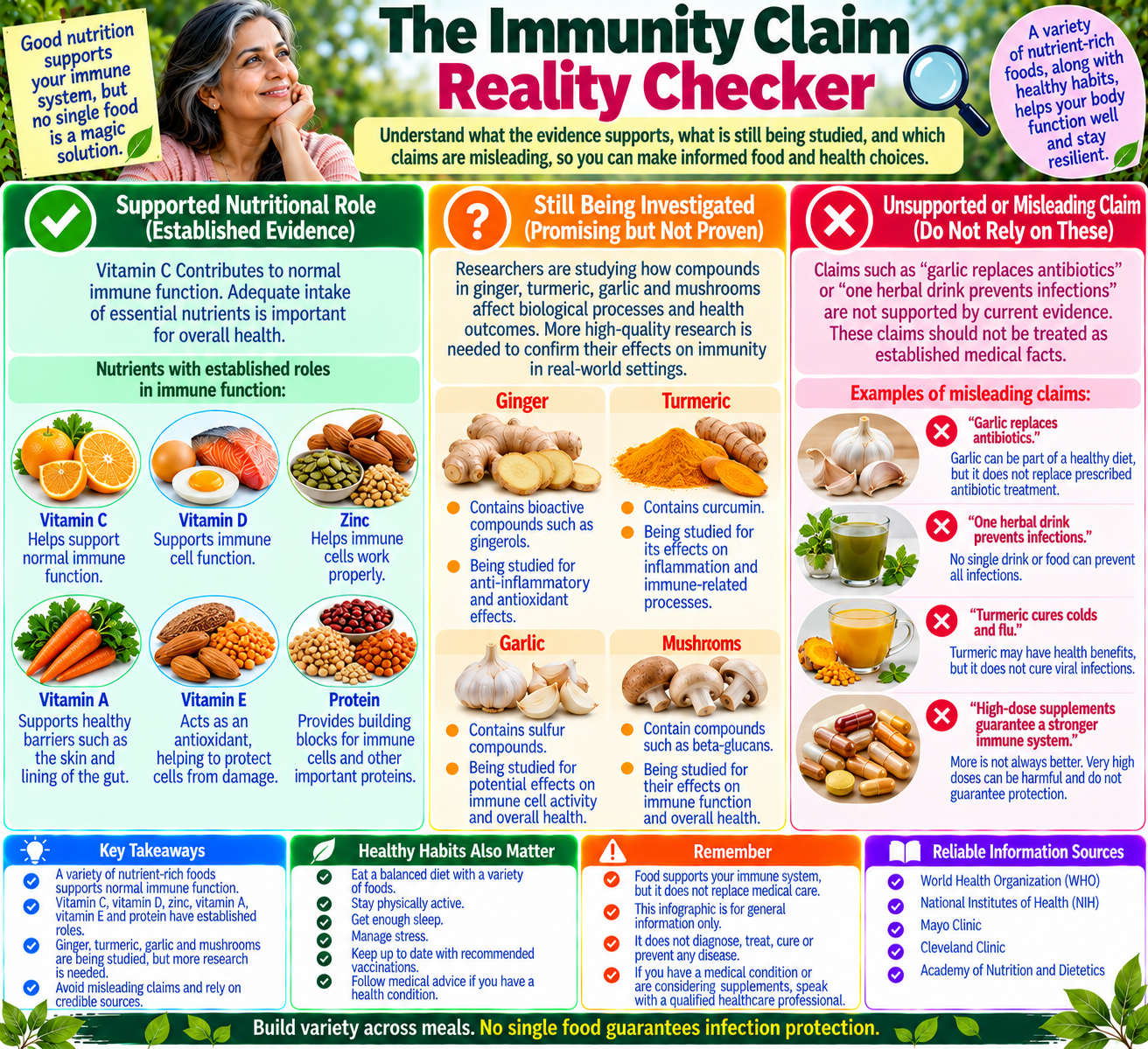
Expecting one food to prevent illness
Eating garlic, ginger, turmeric, or citrus fruit does not make you immune to infection. Use these foods as part of a varied diet rather than as substitutes for preventive healthcare.
Treating traditional remedies as proven medicines
A plant’s long history of culinary or traditional use does not establish that it treats a specific disease. Laboratory results may not translate into meaningful benefits in people.
Taking high-dose supplements without checking safety
More is not always better. Concentrated herbal extracts and vitamin or mineral supplements can cause adverse effects, interact with medicines, or exceed safe intake levels.
Believing every detox claim
Your liver, kidneys, digestive system, and other organs carry out essential processes that help maintain internal balance. There is no good reason to assume that an aloe drink, herbal tea, or restrictive cleanse will remove unspecified toxins or improve immunity.
Ignoring food hygiene
Even nutritious foods can carry harmful microbes if contaminated or stored improperly. Wash produce with safe water, cook foods appropriately, and refrigerate perishable meals promptly. Sprouts require particular care because their growing conditions can support harmful bacteria.
Replacing medical care with home remedies
Persistent fever, breathing difficulty, dehydration, worsening symptoms, or signs of a serious infection require appropriate medical assessment. Do not delay prescribed treatment because a plant remedy is described online as natural or powerful.
Are Herbal Remedies Always Safe?
No. Natural products can contain active substances, and their safety depends on the plant, preparation, dose, quality, medical history, and medicines you take.
Culinary amounts of ginger, garlic, and turmeric are different from concentrated supplements. Herbal products may also vary in purity and strength.
For example, the NCCIH information on echinacea describes mixed evidence for cold prevention and possible allergic reactions and drug interactions. Echinacea is not necessary for everyone and should not be treated as a guaranteed immune remedy.
Seek advice from a qualified healthcare professional before using concentrated herbal supplements if you are pregnant or breastfeeding, have a chronic condition, take prescription medicines, or are considering giving a product to a child.
When Should You Seek Medical Advice?
A nutritious diet supports general health, but it cannot diagnose or treat an immune disorder.
Speak with a healthcare professional if you experience unusually frequent, severe, persistent, or recurrent infections, or if you have symptoms that concern you. Repeated infections can have many explanations, and a clinician can determine whether further assessment is appropriate.
If you have a condition that affects nutrient absorption, follow a medically restricted diet, or have been diagnosed with a deficiency, you may need individualized dietary guidance.
Seek urgent care for severe breathing difficulty, confusion, signs of severe dehydration, or other emergency symptoms.
Frequently Asked Questions
1. What are the best plant foods that support immune health?
Guava, amla, citrus fruits, leafy greens, legumes, garlic, ginger, turmeric, mushrooms, nuts, and seeds can contribute to a nutritious diet. None is guaranteed to prevent infection, and variety matters more than choosing a single “best” food.
2. Can plants boost immunity quickly?
No plant food can reliably produce a dramatic, immediate increase in protection against infections. Eating enough essential nutrients supports normal immune function over time, particularly when it helps correct a deficiency.
3. Does turmeric milk prevent colds and flu?
Turmeric milk can be a comforting drink, but strong evidence that it prevents colds or flu is lacking. Enjoy it if you like the taste, but do not use it instead of vaccination, appropriate treatment, or medical advice.
4. Is garlic a natural antibiotic?
Garlic contains biologically active compounds, but eating it is not equivalent to taking a prescribed antibiotic. Do not use garlic instead of medical treatment for a bacterial infection.
5. Are plant-based foods enough for a healthy immune system?
A well-planned diet can provide many nutrients needed for normal immune function. Whether it meets all your nutritional needs depends on your food choices, health, age, and other circumstances. Some people may need fortified foods or supplements under professional guidance.
6. Do I need vitamin C supplements if I eat fruit?
Not necessarily. Whole fruits such as guava and citrus fruits provide vitamin C. Supplements may be useful in particular circumstances, but extra amounts do not guarantee protection against infection. See the NIH vitamin C fact sheet for more information.
7. Can plant foods improve gut health and immunity?
Fiber-rich plant foods help support gut microorganisms, and the gut plays important roles in immune biology. However, researchers are still investigating how specific dietary changes affect different health outcomes. A varied, fiber-rich diet is a sensible starting point.
8. Which Indian foods can I eat daily for immune health?
Depending on your needs and preferences, you could rotate dal, chickpeas, seasonal vegetables, leafy greens, guava, citrus fruits, whole grains, nuts, and seeds. You can also use ginger, garlic, and turmeric in ordinary cooking.
9. Are herbal teas better than water for immunity?
There is no general evidence that herbal tea is superior to water for immune protection. Unsweetened tea can be an enjoyable way to drink fluids, but hydration and the overall dietary pattern matter more than choosing a special drink.
10. Can immunity supplements replace a balanced diet?
No. Supplements can help address specific nutritional gaps, but they cannot replace dietary variety, appropriate medical care, vaccination, sleep, or other healthy habits.
Conclusion: Build Immune Health Through Everyday Nutrition
Plant foods that support immune health do not need to be expensive, unfamiliar, or difficult to prepare. Everyday choices such as eating guava, adding leafy greens to dal, cooking with ginger and garlic, and including beans, whole grains, nuts, and seeds can help you build a more varied diet.
The strongest approach is not to search for one miracle ingredient. It is to combine a range of nutritious foods with sufficient sleep, regular physical activity, food safety, vaccination, and appropriate medical care.
Scientific research supports the importance of adequate nutrition for normal immune function. It does not prove that a single plant or herbal drink can prevent every infection or guarantee faster recovery.
Start with one change that fits your routine. Add a seasonal fruit to breakfast, include another vegetable at lunch, or prepare a legume-based dinner. Small, sustainable habits are often easier to maintain than complicated wellness routines.
Author Note
Author: RVLNSV PRASAD
This article is intended to provide practical, evidence-informed nutrition education. The food suggestions are designed to help readers make everyday choices using familiar ingredients. Personal experiences should be included only when they reflect genuine events and can be described accurately.
Medical Disclaimer
This article is for general educational purposes and does not replace individualized medical advice, diagnosis, or treatment. No food or herbal remedy can guarantee protection against infection. Consult a qualified healthcare professional about persistent symptoms, suspected nutrient deficiencies, supplements, medication interactions, or concerns about immune function.
Fitness Disclaimer
Physical activity recommendations should be adapted to your health, mobility, and fitness level. Start gradually and seek professional guidance if you have a medical condition or symptoms that may make exercise unsafe.
Sources
-
Harvard T.H. Chan School of Public Health — Nutrition and Immunity
-
NIH Office of Dietary Supplements — Dietary Supplements for Immune Function and Infectious Diseases
-
National Center for Complementary and Integrative Health — Garlic
-
National Center for Complementary and Integrative Health — Turmeric
-
National Center for Complementary and Integrative Health — Echinacea
Related Topics
Benefits of Outdoor Activities for Mental Health: A Comprehensive Guide
8 Rapid Hair Growth Herbals You Should Try
15 Ayurvedic Remedies for High Blood Pressure
Aromatherapy for Stress Relief and Relaxation: A Comprehensive Guide
7 Healing Herbs for Boosting Energy Naturally: A Comprehensive Guide











[…] Natural Remedies for Boosting Immunity with Plants: A Comprehensive Guide […]